Australian Cattle Dog Blue Heeler SVG: A Stitch Test Review
It’s always a welcome moment when a new design file lands in my inbox, especially one featuring a breed as iconic as the Australian Cattle Dog Blue Heeler SVG. I’ve been in the embroidery and digitizing game long enough to know that a great vector file is the foundation of a great stitch-out, but it’s never a guarantee. I needed to evaluate this design not just as a pretty graphic, but as a working asset for real projects. Would it hold up under the needle? Would it make a dog owner’s face light up? I put it through a practical workflow to find out, testing it for everything from custom apparel to handmade gifts.
First Impressions: Capturing the Heeler Spirit
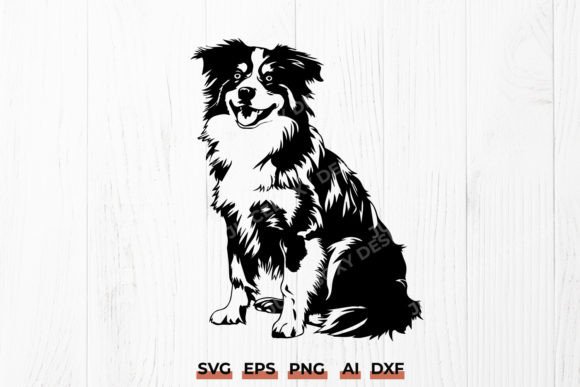
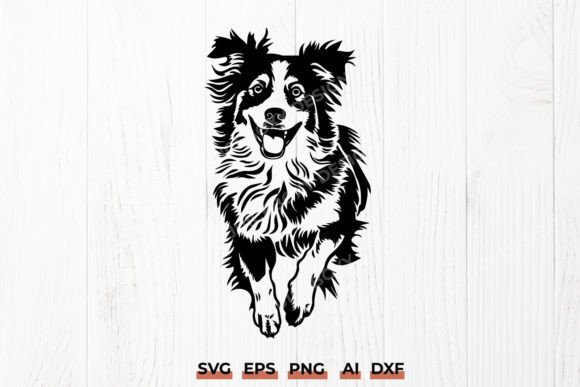
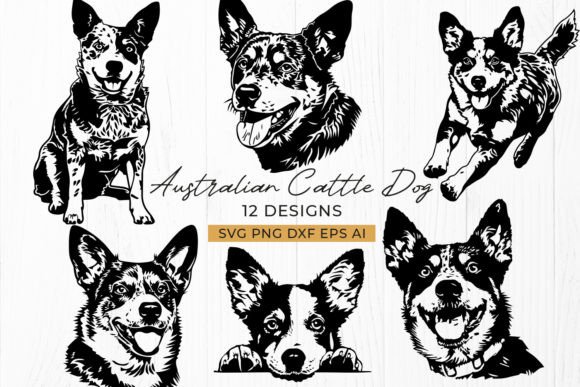
The first thing I noticed about the Australian Cattle Dog Blue Heeler SVG was its clean, confident composition. The designer avoided the clutter that often plagues breed-specific graphics, focusing instead on the dog’s alert expression and sturdy silhouette. The pointed ears, the distinct facial mask, and the strong neck are all there, giving it that classic “ready to work” personality that Heeler owners adore. For an embroidery project, this kind of clear visual hierarchy is gold. It tells me immediately that the design will translate well to thread, where too much detail can muddy the final result. The mood is loyal, rugged, and full of character—exactly what you want for a personalized gift or a small shop product aimed at rural and dog-loving audiences.
Real-World Scenario: The Custom Tote Bag Test
Let me walk you through a real case. A client approached me wanting a custom tote bag for her husband, a rancher who adores his Blue Heeler. We settled on a heavy-duty canvas tote. My immediate thought was how the Australian Cattle Dog Blue Heeler SVG would handle the coarse fabric weave. The solid fill areas, likely digitized as a tatami fill or satin stitch, need enough density to cover the canvas without stiffening it to the point of puckering. The breed’s hallmark mottled blue-gray coat with tan points naturally demands multiple thread colors. I envisioned a light grayish-blue for the body, a crisp white for the mask, and a rich tan for the eyebrows and legs. The contrast was built right into the design’s DNA. This tote bag wasn’t just a bag; it was a statement piece. The finished product needed to feel substantial and professional, something that would hold up to daily use and frequent washing. That meant paying close attention to the stitch density and the quality of the underlying embroidery file.
Embroidery Performance: Needle, Thread, and Fabric
Moving from the digital file to the machine is where theory meets reality. The Australian Cattle Dog Blue Heeler SVG is a digital embroidery file that requires thoughtful digitizing to shine. Here’s what I considered during my test:
- Stitch Types & Detail: The fine details of the muzzle and eyes need to be crisp. A running stitch or a narrow satin stitch works best for the outlines, while the body benefits from a fill stitch. The tricky part is the speckled coat. An SVG might suggest a solid color, but as an embroiderer, I know that using a subtle texture or a variegated thread in the digitizing software will make that “Blue Heeler” coat come alive. It’s the difference between a generic dog and a recognizable breed.
- Hoop Size & Placement: This design is versatile. For a sweatshirt embroidery or left chest placement on a jacket, a 4x4 hoop is ideal. For a center back on a denim jacket or a large embroidered patch, a 5x7 or larger hoop will be necessary. I recommend confirming the native size of the SVG file before committing to a hoop size. The clean lines mean it scales down reasonably well, but very small hoops (2x2) might lose the ear and muzzle detail.
- Stabilizer & Fabric: For a medium-weight tote bag design or canvas apron, a medium cutaway stabilizer is non-negotiable. For a baby embroidery project on a onesie or a soft cotton tee, a soft cutaway or no-show mesh works best. The key is to prevent the fill stitches from distorting the fabric. I always advise a test stitch-out on a scrap of your target fabric. Check the underlay. Does it peek through the top stitches? Is the density too high for a fleece blanket?
Where This Design Belongs (And Where to Be Careful)
Based on my testing, here’s where the Australian Cattle Dog Blue Heeler SVG excels and where you should tread carefully:
Perfect Applications
- Custom Apparel: Denim jackets, flannel shirts, hoodies, and canvas work shirts. The rugged breed matches the fabric.
- Home Decor: Throw pillows, fleece blankets, and kitchen tea towels for a rustic or farmhouse aesthetic.
- Accessories: Caps, aprons, and large embroidered patches for bags or vests.
- Gifts: Holiday embroidery gifts for dog owners, personalized gifts for birthdays, or “dog mom” merchandise.
- Small Business: An excellent addition to an Etsy seller’s catalog of breed-specific design assets.
Use with Caution
- Ultra-lightweight fabrics: Silks, thin t-shirts, or delicate knits require heavy stabilization and a possible reduction in stitch density to avoid puckering.
- Highly curved surfaces: The front of a cap can be tricky if the design is wide or has large, dense fill areas. It may distort during stitching. Test the placement.
- Dark fabrics: The blue-gray coat of the Heeler needs a white or light thread color to pop. You may need a dense white underlay, which adds to the total stitch count and density.
- Very small hoops: If the SVG was originally designed for a 4x4 hoop, shrinking it down to a 2x2 for a tiny patch might cause the details to close up. Always check the scaled version first.
Commercial Value and Business Sense
For craft business owners, creative entrepreneurs, and digital product sellers, the Australian Cattle Dog Blue Heeler SVG is a solid niche asset. The “Blue Heeler” community is passionate and actively hunts for breed-specific merchandise. A well-stitched sweatshirt or a sturdy tote bag can easily command a premium price.
Before you start selling, there are two critical business considerations:
- Licensing: This file falls under Crafts and Graphics. The license terms will dictate how you can use it. Most SVG files allow you to create finished products for sale (physical goods). However, you must verify that you have the rights to use the design for commercial embroidery or to sell the digital embroidery file itself. Never assume. Check the seller’s shop policies. This protects your business and builds trust with your customers.
- Presentation: Use a printable mockup to show the design on a coffee mug, a t-shirt, and a tote bag in your Etsy shop. The clean, recognizable shape of the Heeler makes for excellent design assets for your shop’s branding. It signals to customers that you are a professional who values quality and detail.
Practical Designer Notes Before You Stitch
I’ve been doing this long enough to know that a great SVG is just the starting point. Here is my checklist for getting the most out of the Australian Cattle Dog Blue Heeler SVG:
- Test on Scrap Fabric: This is non-negotiable. Use the exact fabric you plan to use for the final product. Check the stitch-out for gaps, puckers, or thread breaks.
- Review Thread Colors: Match the colors closely to the breed standard. A good blue-gray, a clean white, a rich tan, and a deep black for the nose and eyes are essential. The wrong colors will make the design unrecognizable.
- Check the SVG Paths: Before digitizing, open the SVG in your software. Look for overlapping paths or weird nodes that might cause poor stitch generation. Clean paths lead to clean stitches.
- Consider the Background: Does the design have a transparent background? A contrasting border or a simple appliqué background can help the design pop on towels or bags.
- Confirm Licensing: Again, whether you are a hobbyist making a personalized gift or a small shop product owner, know your legal boundaries.
Final Verdict
The Australian Cattle Dog Blue Heeler SVG is a strong, versatile machine embroidery design foundation. It captures the breed’s spirit without being overly complex, making it a joy to digitize and stitch. Whether you are preparing a custom apparel piece for a client, stocking your craft business inventory, or creating a heartfelt personalized gift, this design delivers. Pay attention to your fabric choices, test your stabilizers, and respect the technical details of the embroidery file. The result will be a handmade product that feels professional, authentic, and deeply appreciated by any Blue Heeler enthusiast.