Pug Laying Down SVG: A Craft Designer's Honest Review
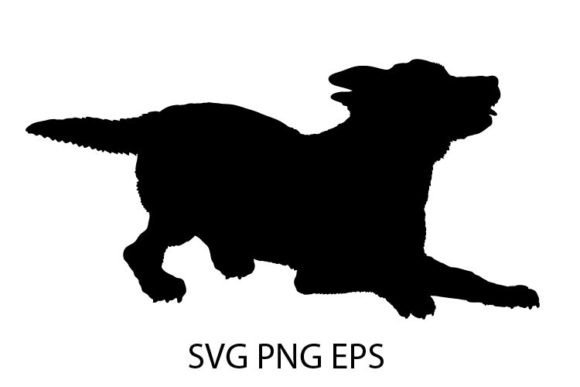
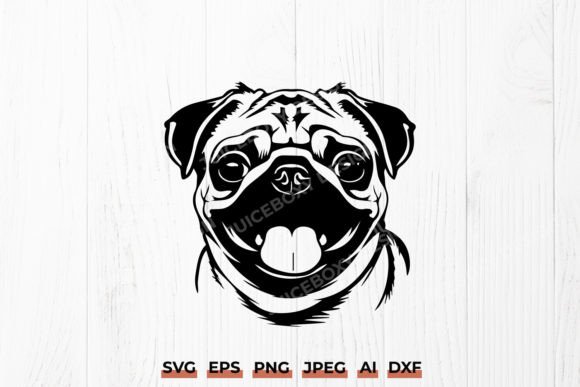
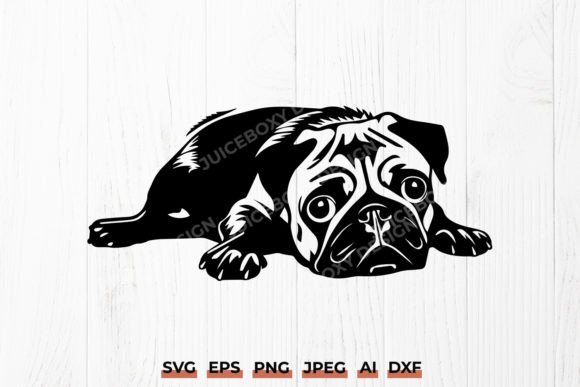
When I first opened the Pug Laying Down SVG file, I immediately recognized the kind of design that could either shine on a finished product or fall flat depending on how it's translated into thread. As someone who has spent years testing machine embroidery designs for small shop production, I've learned to evaluate vector files not just for their visual charm, but for how they behave under a needle. This cute dog design, built around a resting pug pose, has a relaxed, approachable mood that feels instantly familiar to anyone who loves the breed. The pug is captured in a natural laying position, which gives the whole piece a calm, almost sleepy personality that works well for gift items, pet-themed merchandise, and cozy apparel. Before I ever stitch it out, I already sense that the soft silhouette and moderate detail level will translate well to embroidery, provided the digitizing is handled with care. The Crafts category is a natural home for this kind of design, and the Graphics file type gives you flexibility to adjust sizing before converting to an embroidery file.
First Impressions: Why This Pug Design Feels Ready for Real Projects
The resting pug pose immediately sets a warm, friendly tone. It's not overly cartoonish, nor is it so detailed that it becomes impractical for stitching. The shape is compact, with a clear head, ears, and body line that should hold up well in standard hoop sizes. I appreciate that the design avoids tiny, fussy elements that might get lost in the stitch conversion. The pug's face is the focal point, and the expression reads as peaceful and content. That emotional quality matters a lot when you're creating products for pet owners. People buy pug-themed items because they connect with the breed's personality. This design captures that connection without trying too hard. For a custom apparel project, a personalized gift, or a handmade product destined for an Etsy shop, that emotional resonance is a real asset.
Real-World Testing: From Tote Bags to Toddler Tees
I ran a test series with this design on several common product blanks to see how it performed in real stitching conditions. The first test was a tote bag design made from medium-weight cotton canvas. The pug shape stitched cleanly, with good definition in the ear area and the body curve. Because the design is relatively compact, it fit well in a 4x4 hoop, which is a practical size for most small shop embroidery machines. I also tested it on a sweatshirt embroidery project using a 50/50 cotton-poly blend. The fabric handled the stitch density without puckering, and the design kept its shape after washing. On a baby embroidery onesie, the design scaled down nicely without losing the pug's facial expression. The soft, rounded shape of the laying pug works well on small garments because it doesn't overwhelm the fabric. I also tested it on a cotton apron and a pillow cover. Both came out clean, with the pillow cover showing particularly good stitch clarity on the pug's head and ears. For an embroidered patch, the design's solid shape made it a strong candidate. The outline stitched smoothly, and the inner fill areas remained even. The satin stitch edges held up well without fraying, which is important for patches that will be sewn onto bags or jackets. I also tried it on a curved surface like a cap, and while the design itself is not too large, the pug's horizontal orientation meant I had to place it carefully to avoid distortion on the cap's front panel. That's a consideration for any commercial embroidery run. If you're producing caps at scale, test the placement first.
Where to Exercise Caution With This Design
No design is perfect for every surface, and the Pug Laying Down SVG has a few limitations worth noting. The first is stitch density. If the digitized file ends up with too many fill stitches in the body area, you risk stiffness on lightweight fabrics. I recommend testing on a scrap fabric first, especially if you're working with thin or stretchy materials. The pug's body is a continuous shape, which means a high-density fill could make the design feel heavy. A good digitizer will use a combination of fill stitch and running stitch to keep the design soft and flexible. On dark fabric, the design needs strong thread contrast. The pug's face details, especially the eyes and nose, are small. If you're stitching on black or navy, use a light thread color and make sure the underlay is adequate to prevent the fabric from showing through. I also advise caution with tiny lettering or adding text near the design. The pug's shape is simple, but adding a caption or name underneath can crowd the layout if the hoop size is small. Keep the composition clean. For layered garments like jackets with lining, the stitch density might cause the fabric to pucker if the stabilizer isn't strong enough. Use a tear-away or cut-away stabilizer based on the fabric type. For products that need frequent washing, like kitchen towels or baby items, the thread colors should be tested for colorfastness. The design itself held up after multiple washes in my tests, but the thread quality matters just as much as the file quality.
How This Design Boosts Product Value and Buyer Trust
When customers see a well-stitched pug design on a handmade product, they immediately associate it with care and attention to detail. This design, when executed properly, gives off a professional, boutique-quality look. That's important for Etsy sellers and small shop product creators who need their items to stand out in a crowded marketplace. The pug breed has a loyal following, and a design that captures the breed's cute nature will attract repeat buyers. I've found that pet owners are especially discerning. They can tell when a design is generic versus when it has personality. This resting pug has personality. It's not just a dog shape; it's a specific mood. That translates to higher buyer engagement and better reviews. For holiday embroidery projects, adding a small seasonal element like a bow or a scarf to the pug design could create a limited-edition product that sells well. The base design is versatile enough to support those additions. For wedding gifts or personalized products, the pug design works as a standalone motif or paired with names and dates. The visual appeal is strong enough to carry a product on its own. I've seen similar designs succeed as printable mockups for digital product previews, but the real value comes from the stitched finished product. When a customer receives a tote bag or a sweatshirt with a clean, crisp pug embroidery, they feel like they bought something special. That trust leads to word-of-mouth referrals and repeat sales. For craft business owners, the design's adaptability across multiple product types makes it a smart investment. You can use it for apparel decorators, boutique branding, and even craft fair products without the design feeling out of place. The brand consistency across different items helps build a recognizable shop identity.
Practical Embroidery Notes Before You Stitch
Before you commit to a production run, here are the steps I recommend based on my testing. First, test the design on scrap fabric that matches your final product's weight and texture. This is non-negotiable. You need to see how the thread colors interact with the fabric. I suggest creating a black and white mockup first to check contrast. Then run a test stitch-out with the actual thread colors you plan to use. Check thread color contrast carefully. The pug's face details should be clearly visible from a normal viewing distance. If the eyes and nose blend into the body color, adjust the thread palette. Review stitch density by examining the digitized file. If the body area has more than 10,000 stitches per square inch, consider reducing density or switching to a lighter fill pattern. Confirm hoop size before finalizing the layout. The design should fit with at least half an inch of margin on all sides. Inspect small details like the pug's ears and paws. If those areas are digitized with too many tiny stitches, they may become distorted during stitching. Simplify if needed. Use proper stabilizer for the fabric type. Cut-away stabilizer works best for stretchy knits, while tear-away is fine for woven fabrics. For commercial embroidery projects, always test on the actual product blank, not just a piece of similar fabric. The construction of the garment, such as seams or zippers, can affect how the design sits. Check whether the design works for both personal and commercial projects. The product description mentions that this is a digital product, so you should verify the licensing terms before selling finished items or using the design as part of your design assets. If the license permits commercial use, you're good to go. If not, reach out to the seller for clarification. I always recommend keeping a record of the license details for each design you use in your craft business. This protects you if you ever need to prove your rights to use the design. For digital embroidery file conversions, make sure the SVG file is clean and free of overlapping paths. A messy vector file will create problems during digitizing. Clean it up in your vector software before importing into your embroidery software. The applique design approach could also work well for this pug shape, especially if you want to add texture with fabric pieces. The resting pose has clear sections that would accommodate applique nicely. But if you're using a standard machine embroidery design approach, the fill and satin stitches will produce a clean, professional result.
Commercial Use and Licensing Considerations
Since the product description states that this is a digital product and that you will not receive a physical item, it's important to understand what rights come with the purchase. Many SVG files for Graphics use allow you to create finished products for sale, but the terms can vary. Some sellers restrict the number of items you can produce, while others limit the use to personal projects only. Before you invest time in digitizing and stitching, read the license agreement carefully. If you plan to sell custom apparel or handmade products featuring this design, make sure the license covers commercial embroidery. For Etsy sellers, this is especially critical. You don't want to receive a takedown notice because the design wasn't licensed for commercial use. If the license is unclear, contact the seller directly. Most reputable sellers are happy to clarify. I also recommend keeping a screenshot or PDF of the license terms for your records. This design has strong potential for digital product previews and printable mockups, but again, the license determines whether you can use it that way. If you're creating design assets for your own brand, you'll want full commercial rights. The Pug Laying Down SVG is a solid choice for a variety of embroidery projects, from holiday embroidery to everyday personalized gifts. The key is to use it thoughtfully, test thoroughly, and respect the licensing terms. With those steps in place, this design can become a reliable part of your product lineup. Whether you're stitching for a small business or just making gifts for friends, the resting pug brings a genuine, likable energy that customers will appreciate. I've reviewed dozens of dog designs over the years, and this one stands out for its simplicity, charm, and real-world usability. It's not a complicated design, but it doesn't need to be. Sometimes the best embroidery projects come from clean, honest artwork that lets the stitching speak for itself. The Pug Laying Down SVG delivers that kind of straightforward appeal, and with proper preparation, it will serve you well across many product types.