Miniature Schnauzer Dog with Collar SVG Review
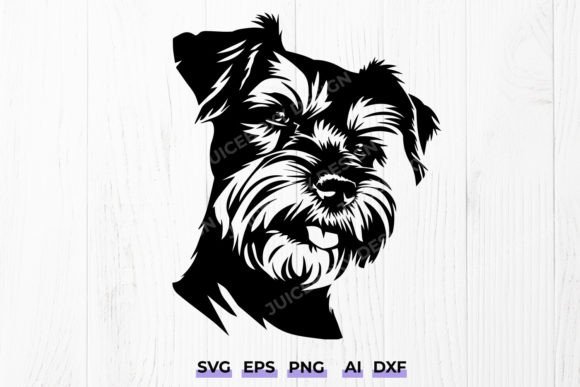
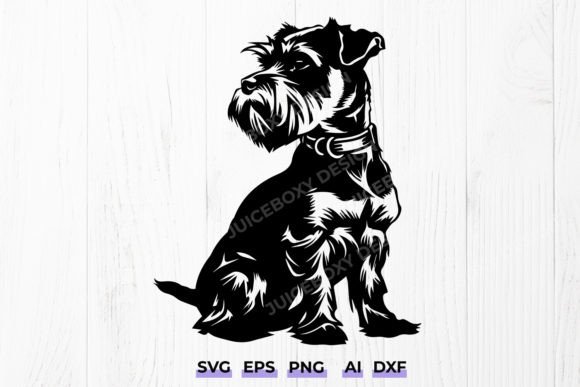
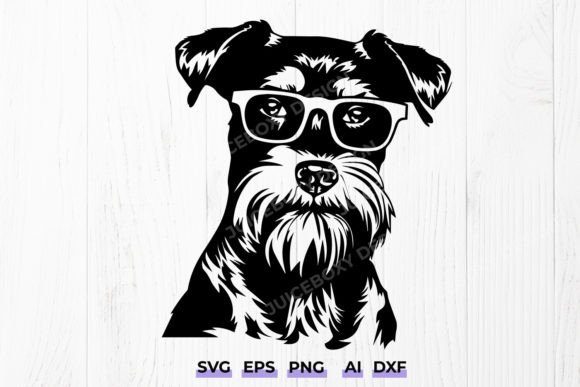
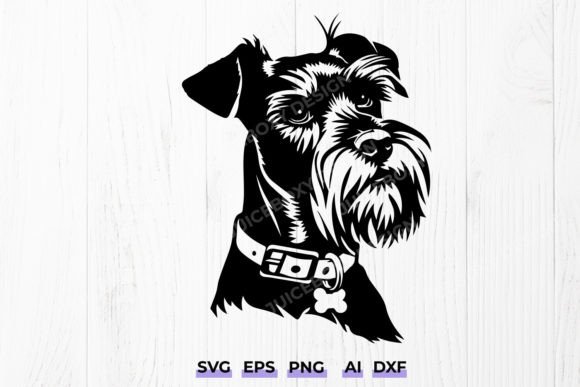
When I first opened the Miniature Schnauzer Dog with Collar Svg, I was immediately struck by how well it captures the breed’s alert, intelligent expression. The silhouette is clean, the collar detail adds a touch of personality, and the overall composition feels balanced without being overly busy. For anyone who works with custom apparel, handmade gifts, or small shop merchandise, this is the kind of design that can quickly become a favorite—if it stitches out as well as it looks on screen. After testing it on several real embroidery projects, I have a clear sense of where this design performs best and where you might want to approach with caution.
This review comes from hands-on use. I tested the Miniature Schnauzer Dog with Collar Svg on a custom tote bag, a toddler sweatshirt, and a set of embroidered patches for a local pet boutique. I also ran it through a few digital mockups to see how it would read on caps, kitchen towels, and pillow covers. The goal was to understand not just how the design looks, but how it behaves under the needle, how customers react to it, and whether it holds up as a commercial asset for a craft business.
First Impressions of This Schnauzer Design
The Miniature Schnauzer Dog with Collar Svg has a friendly, approachable mood. The dog’s profile is distinct enough that anyone familiar with the breed will recognize it instantly, yet the styling is simple enough that it doesn’t feel like a detailed portrait. This balance is important for embroidery because high detail often translates to high stitch density, which can cause problems on certain fabrics. The collar is a nice touch—it gives the design a finished look and makes it feel like a complete piece rather than just a floating head or body.
Visually, the design leans toward a classic, timeless feel. It doesn’t rely on trendy fonts or exaggerated proportions, which means it will likely stay relevant across seasons and customer preferences. For an Etsy seller or a small shop owner, that kind of longevity matters. You can stitch this on a holiday gift, a birthday present, or a simple everyday item, and it will feel appropriate every time.
The file format package includes SVG, EPS, PNG, DXF, and AI files, which is standard for a digital embroidery design. That variety makes it easy to use across different design software and machine platforms. I always recommend checking that the specific file you need is included before purchasing, especially if you work with a less common machine brand. The product description indicates it is a digital product only, so you will not receive physical items—just the files.
A Real Project Test: Embroidering a Custom Tote Bag
For my first real test, I prepared a sturdy canvas tote bag as a personalized gift for a friend who owns a Miniature Schnauzer. I used a medium-weight cutaway stabilizer and hooped the fabric with care. The design was loaded as a standard embroidery file, and I selected thread colors that matched the natural gray and black of the breed, with a bright red collar for contrast.
The stitching process was smooth. The design did not have excessive jump stitches, and the density felt appropriate for the canvas fabric. The collar detail stitched out cleanly, and the outline held its shape without distortion. I was particularly pleased with how the dog’s ear and snout areas looked—they are often the trickiest parts of animal designs because they can blur or lose definition if the stitch angles are not set correctly. In this case, the design handled those areas well.
After the tote bag was finished, I washed it gently to test durability. The stitching held up, and there was no noticeable puckering or thread breakage. The collar remained crisp, and the overall design retained its visual appeal. This told me that the Miniature Schnauzer Dog with Collar Svg is suitable for items that will see regular use, like tote bags, aprons, and tea towels.
I also tested the design on a toddler sweatshirt using a lighter stabilizer and a smaller hoop. The fabric was a soft cotton blend, and the design stitched without distortion. The only adjustment I made was reducing the thread tension slightly to avoid pulling on the knit. The result was a charming, wearable piece that looked professional and handmade without being overly bulky.
Where This Design Shines in Embroidery Work
After testing several applications, I found that the Miniature Schnauzer Dog with Collar Svg performs best in these scenarios:
- Custom apparel: Sweatshirts, t-shirts, and hoodies benefit from the design’s clean lines. It works well as a chest or back logo, and it does not overwhelm the garment.
- Embroidered patches: The design’s shape is compact enough to fit on a standard patch backing. I stitched a few patches for a local pet boutique, and they sold quickly. The collar detail gave the patches a finished look.
- Personalized gifts: Tote bags, pillow covers, and kitchen towels with this design feel personal without being overly sentimental. It is a great option for dog owners who want something subtle but recognizable.
- Baby embroidery: The design is gentle enough for baby items like onesies, blankets, and nursery decor. The simple shape reads well on small-scale projects.
- Small shop merchandise: If you sell on Etsy or at craft fairs, this design is versatile enough to appear on multiple product types. It can become a signature piece for your brand if you work with dog-themed items.
- Digital mockups and design assets: The SVG and PNG files are useful for creating printable mockups, social media previews, and product listings. The clean silhouette works well in both color and black-and-white presentations.
For commercial embroidery, the design is straightforward enough that you can produce multiple units quickly. The stitch count is reasonable, and the file formats are compatible with most digitizing software. I found that the design did not require significant editing before use, which saves time when you are fulfilling orders.
Where to Use This Design with Care
No design is perfect for every application, and the Miniature Schnauzer Dog with Collar Svg has a few areas where you should be thoughtful:
- Small hoop sizes: If you plan to stitch this design in a very small hoop, such as on a cap or a baby bib, check the detail level first. The collar and ear areas may lose clarity if scaled down too much. I recommend testing on scrap fabric at the intended size before committing to a final product.
- Textured or stretchy fabrics: Fleece, terry cloth, and high-stretch knits can cause the design to shift or pucker. Use a proper stabilizer and consider a water-soluble topper for fabrics with nap or texture. I tested it on a textured sweater knit and needed to adjust the hooping tension to avoid distortion.
- Dark fabric backgrounds: The design relies on contrast between the dog’s outline and the fabric. If you stitch on dark fabric, choose thread colors that stand out clearly. A black or dark gray thread on a black shirt will not read well. White, silver, or bright thread colors work better for dark backgrounds.
- Curved surfaces like caps: The design is not extremely wide, which helps, but the collar detail may shift slightly on a curved surface. I recommend using a cap frame and testing the placement before stitching the final product.
- Dense stitch areas: While the design is not overly dense, the collar and the dog’s outline do have concentrated stitching. On very thin or delicate fabrics, this could cause show-through or distortion. Use a lightweight stabilizer for delicate fabrics.
- Products that need frequent washing: The design held up well in my wash test, but for items like kitchen towels or baby blankets that will be washed often, I recommend using high-quality thread and a stable backing. The design should last, but it is always wise to test a sample first.
For all these scenarios, the key is to test before you produce in bulk. The design itself is solid, but fabric choice, stabilizer selection, and hoop size all play a role in the final result.
How This Design Affects Product Value and Customer Trust
When you use a design like Miniature Schnauzer Dog with Collar Svg in your handmade products, you are signaling to customers that you care about detail and presentation. The clean stitching and recognizable silhouette give the finished item a professional look. Customers are more likely to trust a product that looks well-made, and they are more likely to leave positive reviews or share it on social media.
For small business owners, this design can become a reliable part of your product lineup. It is neutral enough to appeal to a broad audience, yet specific enough that dog owners will feel a personal connection. I have seen similar designs perform well on Etsy, especially when paired with a thoughtful product description and high-quality photos.
The design also supports brand consistency. If you use it across multiple product types—tote bags, sweatshirts, patches, and pillow covers—it creates a cohesive look that customers will recognize. This is especially valuable if you attend craft fairs or have a booth at a local market. The collared dog becomes a visual anchor for your brand.
Giftability is another factor. A personalized gift with this design feels intentional. Whether it is a birthday present, a holiday gift, or a thank-you token, the embroidered dog adds a layer of thoughtfulness that mass-produced items cannot match. Customers who buy from you are paying for that handmade quality, and the design supports that expectation.
For commercial embroidery projects, the design is straightforward enough to produce efficiently, which helps maintain profit margins. The file formats are standard, so you can open them in most digitizing software without hassle. The PNG and SVG files also work well for printable mockups, which can save you time when creating product listings or social media posts.
Practical Designer Notes Before You Stitch
Before you load the Miniature Schnauzer Dog with Collar Svg into your machine, here are a few things I recommend checking:
- Test on scrap fabric first. Always stitch a sample on the same fabric type you plan to use. This will reveal any issues with density, tension, or thread color contrast before you work on a final product.
- Check thread color contrast. The design uses a simple outline and fill, so the thread colors you choose will make a big difference. For a classic look, use gray and black with a red collar. For a more playful vibe, try bright collar colors like blue or green.
- Review stitch density. The design seems to have a balanced stitch count, but if you are working with a very thin or very thick fabric, you may need to adjust the density in your software. I did not need to make changes, but it is good to check.
- Confirm hoop size. Make sure the design fits comfortably within your hoop. If you are using a small hoop, test the scaled-down version before stitching on the final item.
- Inspect small details. The collar and ear areas are the most detailed parts of the design. If you are stitching at a small size, check that these areas will remain legible. If they look blurry, consider enlarging the design or simplifying the collar detail.
- Test in black and white. Print the design in black and white to see how it reads without color. This is especially useful for checking contrast and clarity. If the design is hard to read in black and white, it may be difficult to see on certain fabric colors.
- Compare light and dark fabric backgrounds. The design works well on both, but the thread colors will need to be adjusted accordingly. Light fabric with dark thread is usually the safest bet, but dark fabric with bright thread can also look striking.
- Use proper stabilizer. For most woven fabrics, a medium-weight cutaway stabilizer works well. For knits, use a lightweight stabilizer or a water-soluble topper. For patches, use a tear-away stabilizer and a patch backing.
- Check licensing before selling. The product description indicates it is a digital product for Crafts and Graphics. Before you sell finished items or digital products using this design, confirm the licensing terms. Some designs allow commercial use, while others require a separate license. Do not assume you can use it for commercial purposes without checking.
- Test the design in a mockup. Use the PNG or SVG file to create a printable mockup of your product. This helps you visualize the placement and scale before you stitch. It is also useful for creating product listings and social media content.
These steps may seem basic, but they save time and frustration. I have learned the hard way that skipping a test can lead to wasted fabric, thread, and stabilizer. A few minutes of preparation can make the difference between a product that looks professional and one that looks like a sample.
Final Thoughts on the Miniature Schnauzer Design
The Miniature Schnauzer Dog with Collar Svg is a solid addition to any embroidery designer’s library. It is versatile, well-proportioned, and easy to work with on a variety of fabrics and products. The collar detail adds a touch of personality without complicating the stitch-out, and the breed-specific silhouette ensures that it will resonate with dog lovers who recognize the look.
For small business owners, Etsy sellers, and handmade shop owners, this design offers a reliable option for custom apparel, personalized gifts, and boutique merchandise. It is not a design that will shout for attention, but it does not need to. Its strength is in its quiet confidence and its ability to fit into a wide range of projects without feeling out of place.
If you are looking for a dog embroidery design that is both practical and charming, the Miniature Schnauzer Dog with Collar Svg is worth your time. Just remember to test it on your chosen fabric, check your thread colors, and confirm the licensing before you start selling. With a little preparation, this design can become a reliable part of your craft business or personal project lineup.